Native Capture
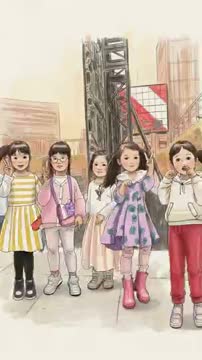
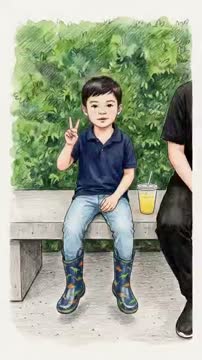
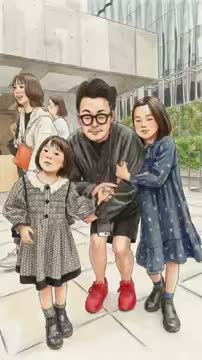
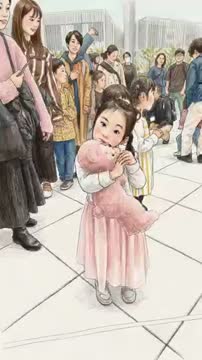
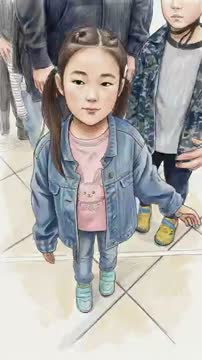
Participants are captured by camera, producing still images for Runway generation. During the event, children stood in front of the camera, jumped or posed, and an operator captured the moment.
Runway API powered participatory AI video system
A participatory AI video system that turns participant captures into Runway image-to-video material and returns the generated clips to the live VJ environment.
“Zero Gravity” is a participatory media-art system built around the sensation of a body being released from gravity.
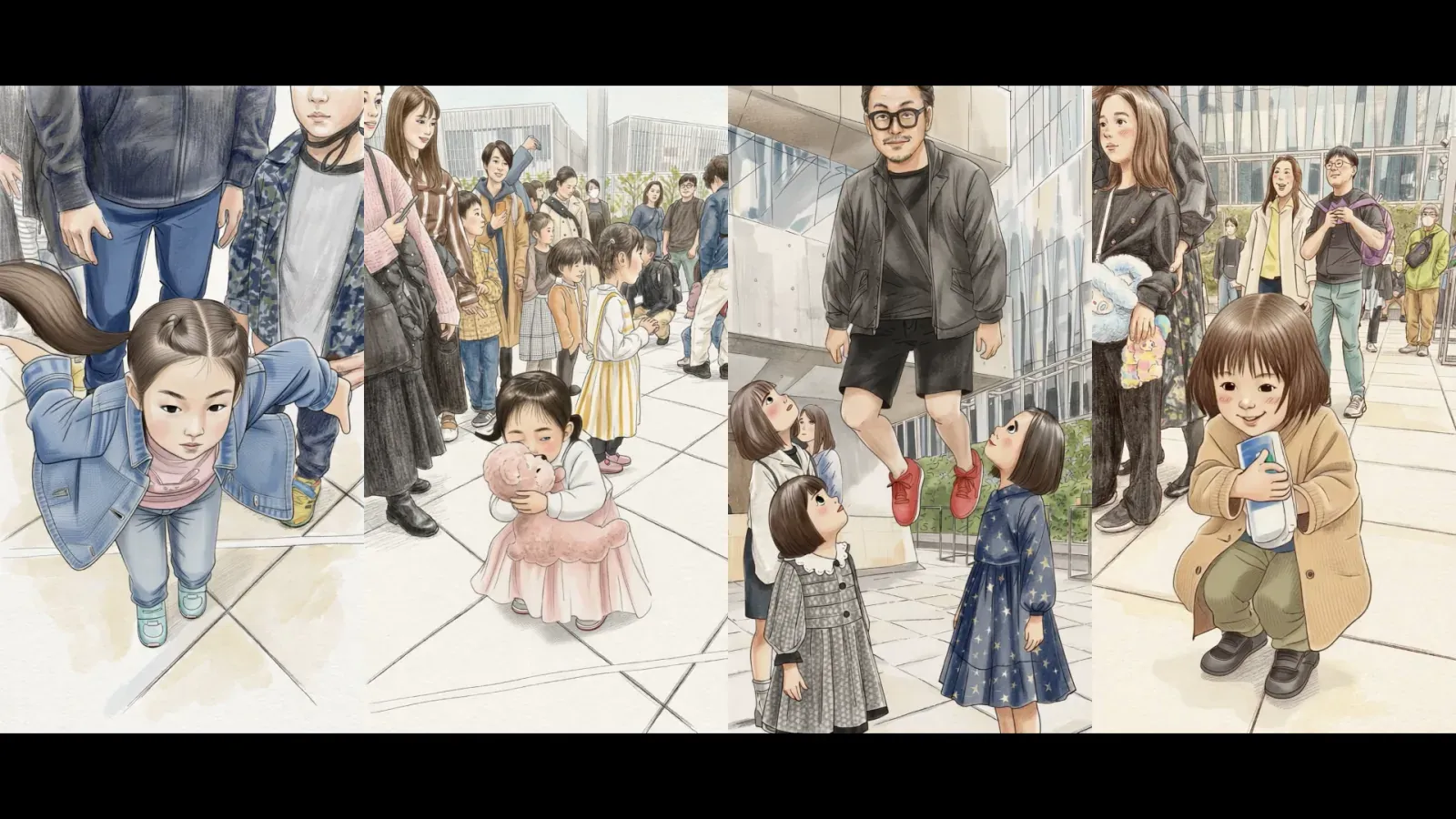
Children jump, run, pose, and dance in front of the camera. Their bodies are transformed by AI into short clips where they appear to float, leave the ground, and move in ways that cannot happen in the physical venue.
The important point is not only that the participant appears to fly. Their own body is converted into moving image material on site and returned to the whole venue.
The grid shows the 16 clips generated with the “zero gravity” prompt as inline loop playback, prioritizing WebM VP9 for the web and keeping MP4 as a compatibility fallback.
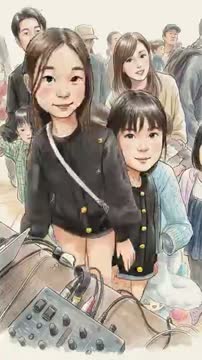
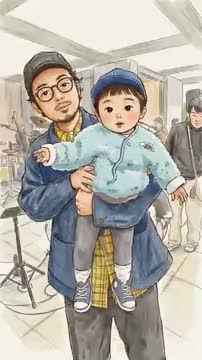
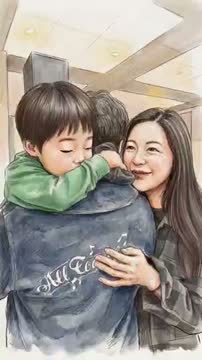
Note: The live installation used photographic capture material. For this public page, the generated material has been changed to a drawing-like style to anonymize children's faces. The header uses only clips generated from the “zero gravity” prompt.
The system separates capture, generation, playback, and control so it can operate inside a live event. The generated clips are not isolated outputs; they become reusable material inside the DJ/VJ flow.
All code for capture, generation, playback, control, and VJ output was developed by Daito Manabe.
The live system was operated with two native apps: Beaton VJ Capture for camera capture, Runway batch submission, and task monitoring, and Beaton VJ Player for VJ playback and output control.
Camera preview: The person shown in the center camera preview is Daito Manabe.
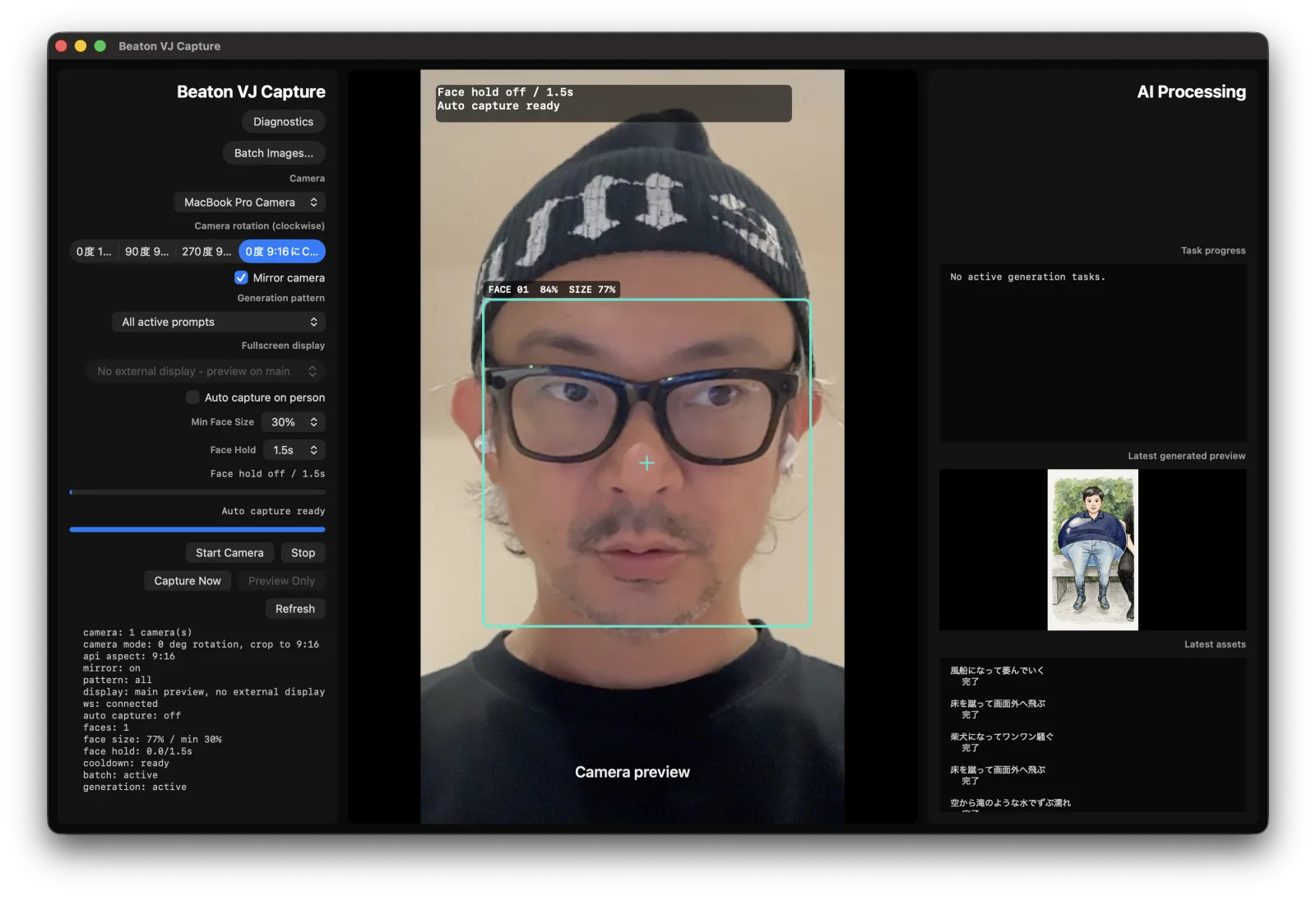
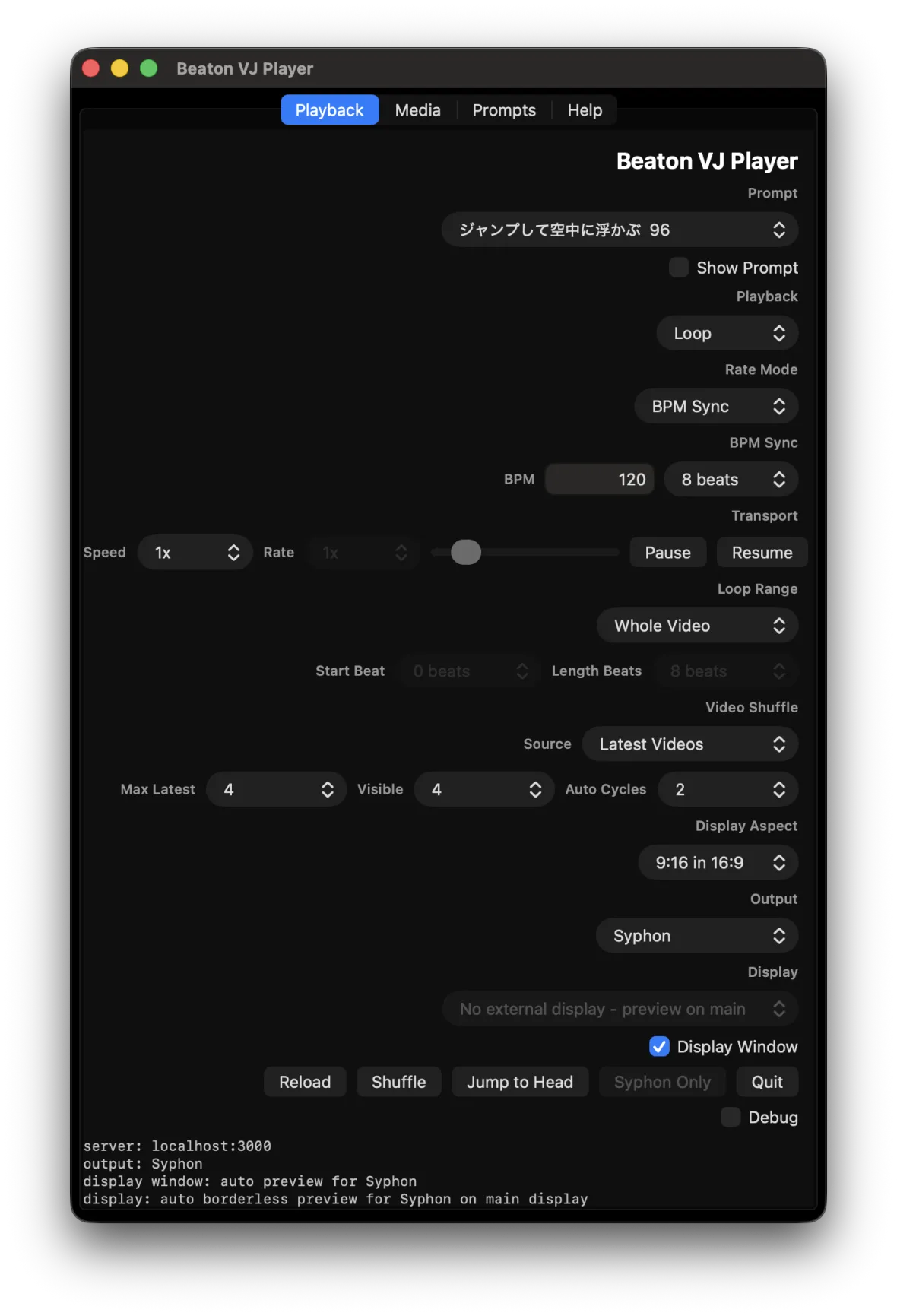
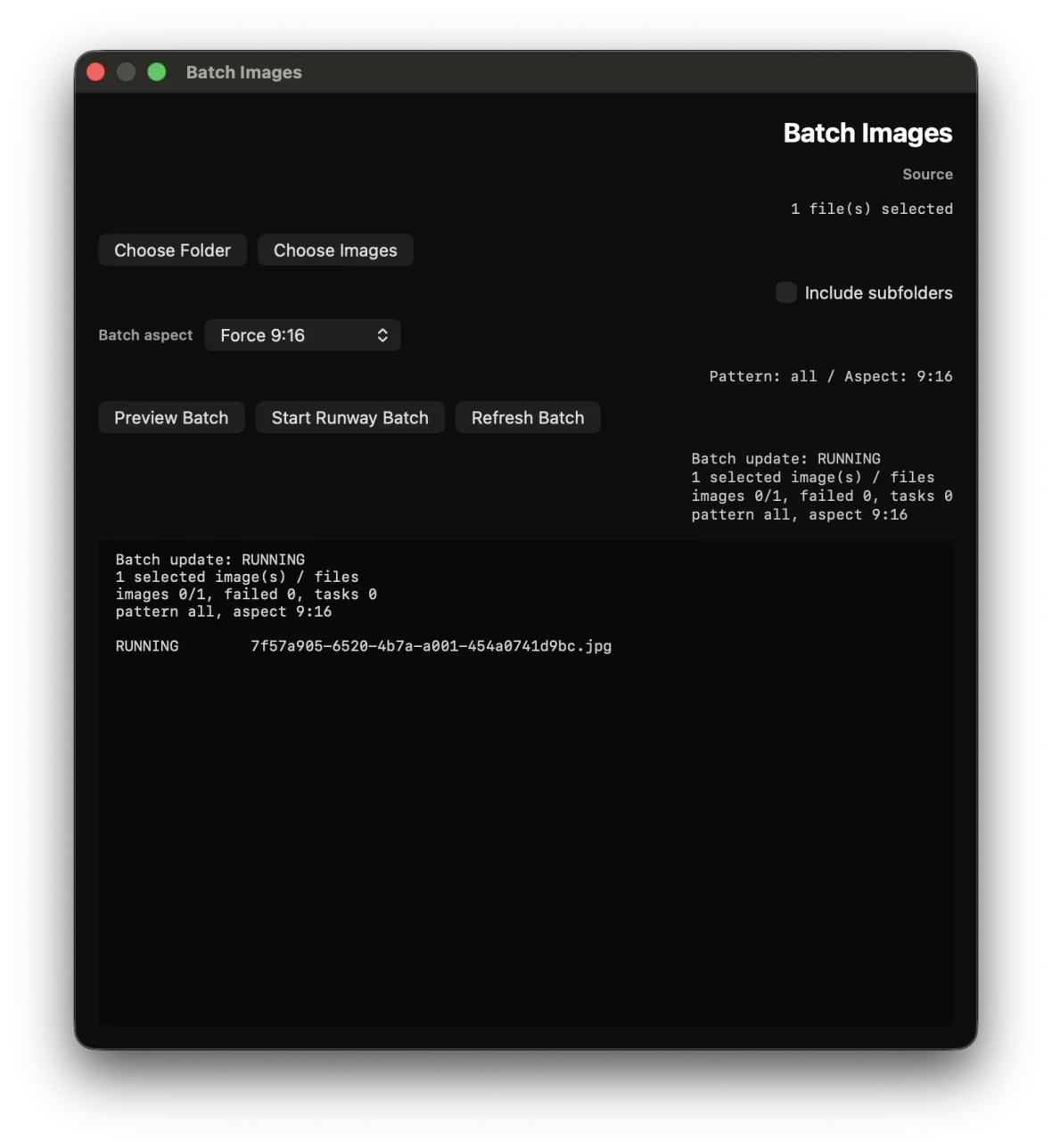
Captured still images are sent to the Runway API and converted into short videos. The resulting material is loaded into a Native Player and connected to the music and audience response on the LED screen.
Participants are captured by camera, producing still images for Runway generation. During the event, children stood in front of the camera, jumped or posed, and an operator captured the moment.
The captured image is sent to Runway image-to-video generation. The prompt direction centers on floating, flying, and the feeling of the body escaping gravity.
The generated clips are played as VJ material. They are not shown as standalone videos, but are sent to the LED screen inside the DJ/VJ flow.
Playback, loop, shuffle, and BPM-sync behavior were controlled through OSC and Max for Live, making the AI-generated clips usable as live-performance material.
“Zero Gravity” and “Transformirror 2026” are separate works. They were presented in parallel at BEATON BANBAN, but their roles are different.
| Zero Gravity | Participatory AI video generation using the Runway API. Captured bodies are converted into short clips and returned to the space as VJ material. |
|---|---|
| Transformirror 2026 | A real-time interactive visual transformation work by Daito Manabe and Kyle McDonald. |
Children understood the system physically before it was explained as AI. When the image changed, they jumped, came closer, entered with friends, changed their pose, and tried again.
The strongest moment was not the generated clip by itself, but the moment it returned to the venue. AI video generation became a spatial feedback device rather than a content-production tool.
The structure of DJ/VJ, LED, sound, image, and response worked in a children's event. “Zero Gravity” functioned as an audiovisual playground centered on the body and play.
“Zero Gravity” is a participatory AI video generation system powered by the Runway API. Participants are captured by camera, and their still images are sent to Runway image-to-video generation. The generated clips show children floating, flying, or appearing to escape gravity.
The clips are not treated as isolated outputs. They are returned to the venue as live VJ material and displayed on the LED screen as part of the DJ/VJ environment.
The work turns the participant's body into both input and performance material, creating a feedback loop between body, AI generation, screen, sound, and audience reaction.
Open the FAQ, glossary, authority, measurement, and AI index pages. Each link now states what it is for.