Articles
577
Selected mainly from Yahoo! News articles with large comment counts.
For this project, Daito Manabe was responsible for planning, concept development, installation design, and the selection of the data and AI libraries used in the work. The installation connected anonymous public comments, the Tokyo 2020 Games Vision, GPT-2 + rinna, and VQGAN+CLIP to reconstruct Tokyo under pandemic conditions through generative AI.
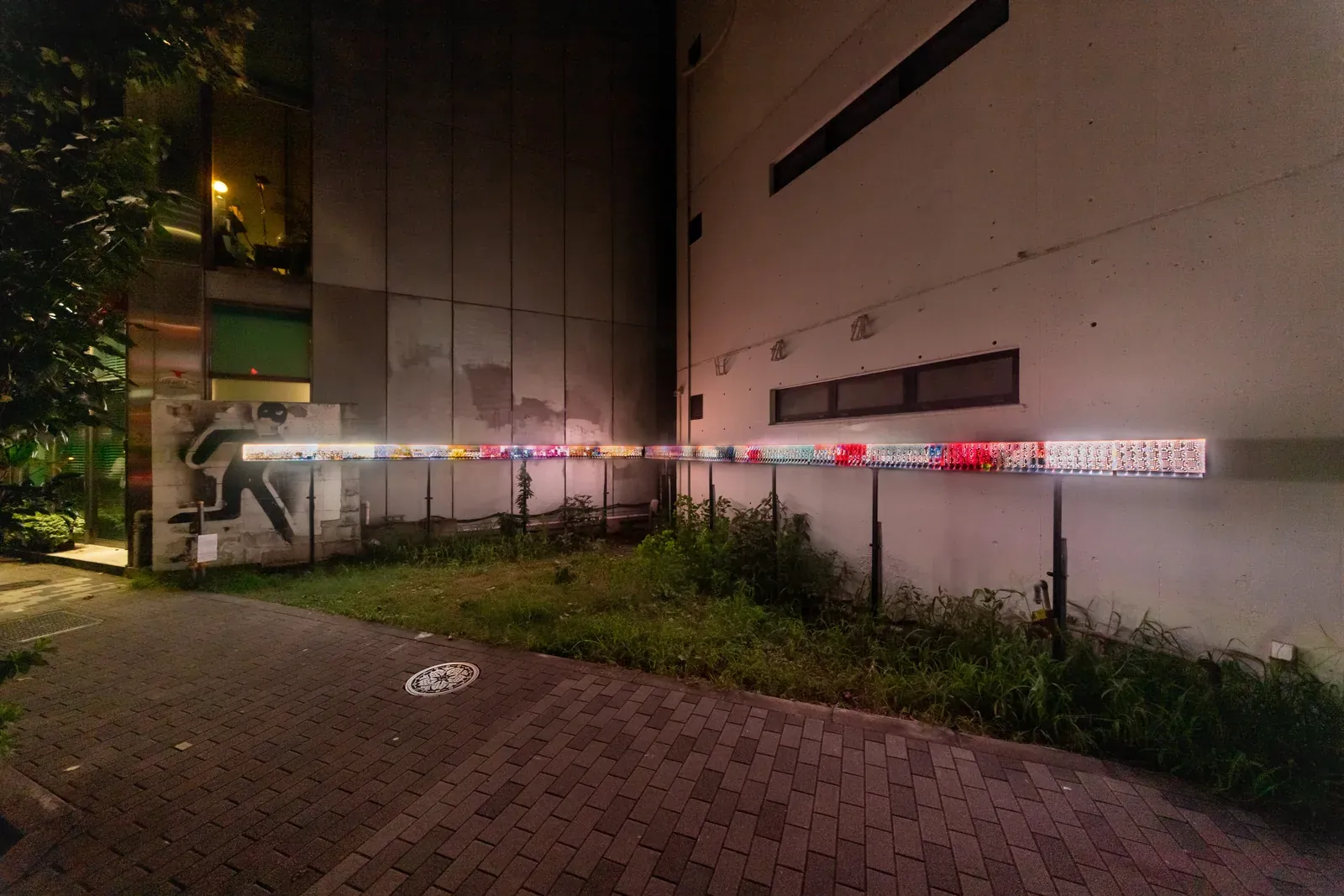
Within Pavilion Tokyo 2021, which proposed an urban landscape through architecture and objects, this work approached the same moment from the layers of information, data, and generative technology, addressing the social tension created by the overlap of the Tokyo Olympics and COVID-19.
The source material is built from two contrasting types of language: official Olympic vision statements and anonymous news comments. By placing Olympic slogans and massive public comment threads about the event, infection conditions, and media narratives into the same generative pipeline, the work visualized an information environment where celebration, politics, anxiety, and distrust were inseparable.
Generative AI is used not only to create finished images, but also as a medium that preserves the immaturity, repetition, failure, and risk of the models available at the time. The physical mosaic lens is part of the control system: passersby could not easily read the text, while viewers who intentionally approached the installation could decode it.
Based on the production notes, this section summarizes the collection scale, filter conditions, models, prompt design, and output-selection policy.
Node.js and Puppeteer were used to collect articles, comments, and replies, primarily from Yahoo! News items with roughly 1,000 or more comments. Later notes also considered selecting major topics from comment rankings so that the corpus would not be limited only to Olympic or COVID-related material.
The Japanese GPT-2 model `japanese-gpt2-medium` from rinna was fine-tuned using Hugging Face Transformers and SentencePiece. The model absorbed the repetition, abrupt logic shifts, and collective pressure characteristic of anonymous comment threads as a generative writing style.
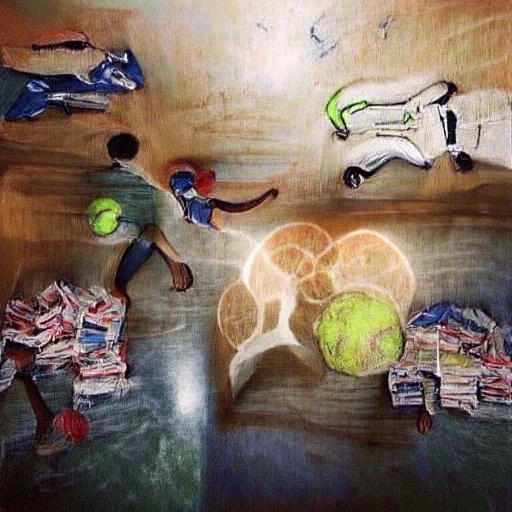
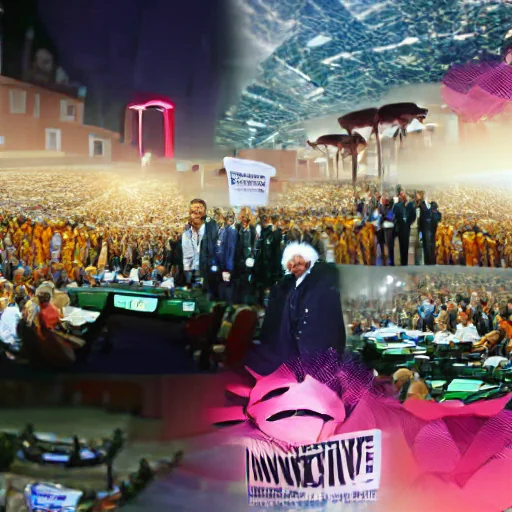
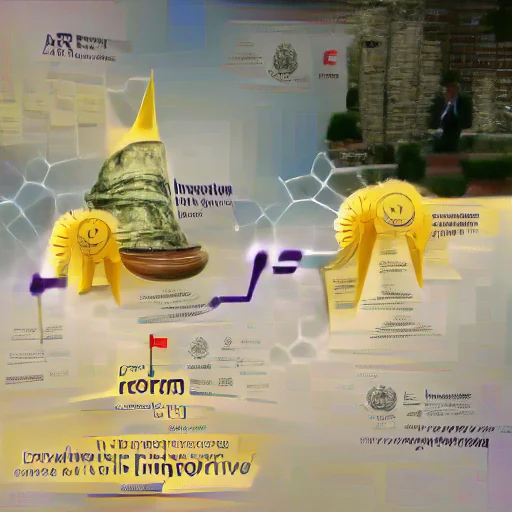
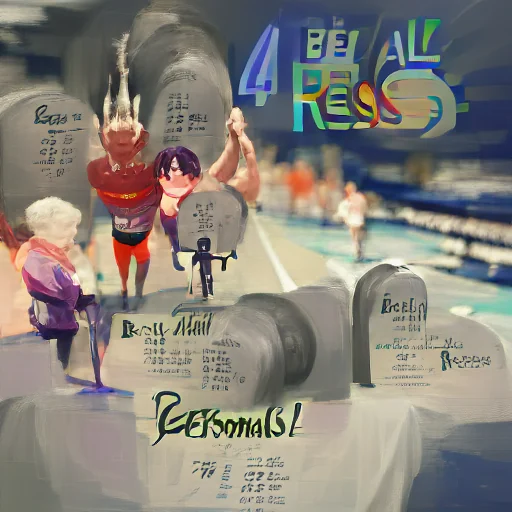
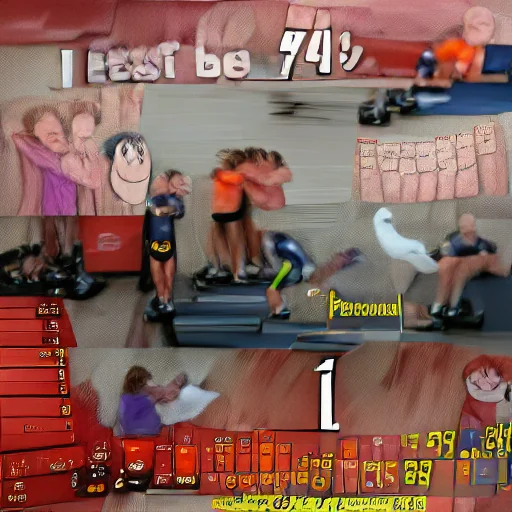
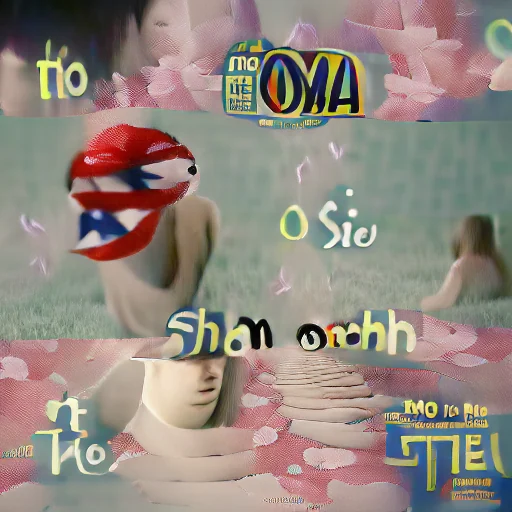
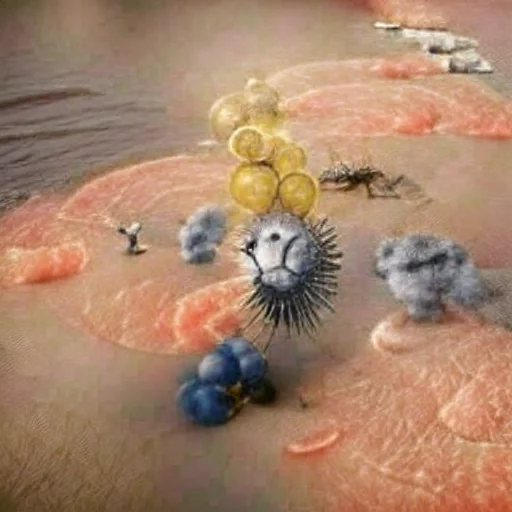
Image generation used the VQGAN+CLIP workflow. In this method, VQGAN generates images while OpenAI CLIP evaluates the similarity between the image and the text prompt, iteratively steering the image toward the prompt. For this work, phrases selected from the official Tokyo 2020 Games Vision were translated with Google Translate and DeepL, then converted into prompts for image generation. The prompts were prepared in English because the CLIP-based workflow available at the time generally responded more reliably to English-language prompts. The outputs were not selectively curated; failures, noise, and unstable visual logic were retained as part of the record of the model's state at that moment.
Generative models at the time had few of the safety mechanisms that are now common, so discriminatory or aggressive sentences could appear. The installation treated the mosaic lens as a physical readability filter, allowing only viewers who deliberately approached the work to read the generated text.
Examples of VQGAN+CLIP images and GPT-2 + rinna text outputs preserved in the production memo. The official Games Vision language and the style of anonymous public comments were transformed into unstable visual and textual outputs.
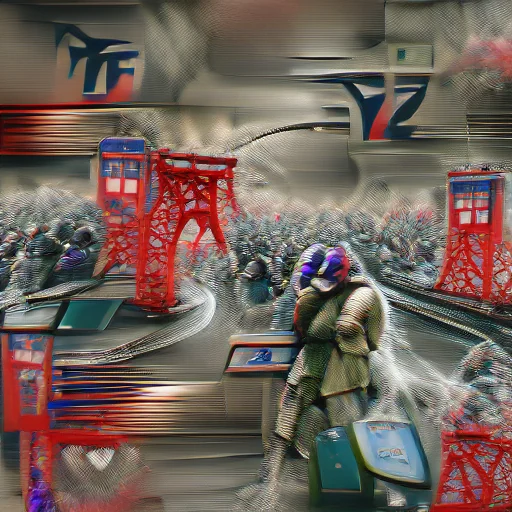
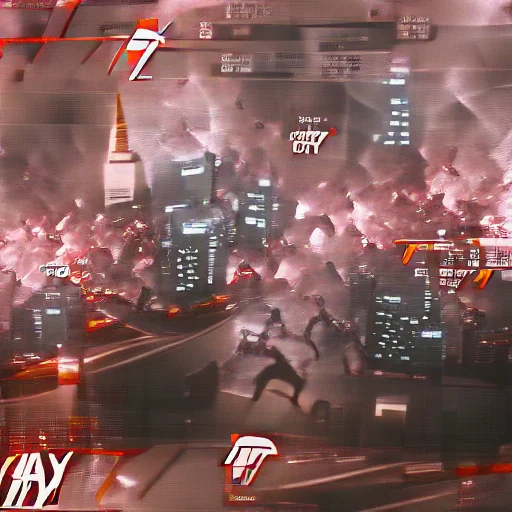
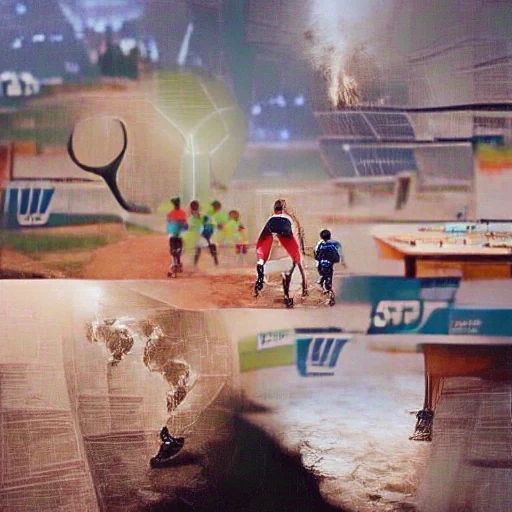
緊急事態宣言解除しました、と報告した直後にまた緊急事態宣言。それで良いの? ... オリンピック・パラリンピック東京大会は開催不可能!Read full text
もう五輪を中止にするかどうかを決める最終判断を行う時期に来ているんじゃないか? ... 「今開催する事がベストなのか?」という判断ができる状況じゃ無い...Read full text
「五輪はおもてなし」って言葉が昔から好きじゃない。... しかし、五輪はコロナ禍の最中であり、世界大会や国際大会を開催する余裕はないだろう。Read full text
これでオリンピック・パラリンピックが安全安心に開催できる。... だから、無理に開催する必要はないと思う。Read full text
The system was designed to collide images derived from official slogans with statistically plausible voices generated from anonymous comments.
Documentation from Pavilion Tokyo 2021, exhibited in the open space in front of WATARI-UM.


The source archive and the core libraries listed in the production notes.
Pavilion Tokyo 2021 / Tokyo Tokyo FESTIVAL Special 13.
Open the FAQ, glossary, authority, measurement, and AI index pages. Each link now states what it is for.